Diver's Diaries, News
Why every diver should use a tracking device: Enhancing safety below the surface

Discover why dive tracking devices are essential for diver safety, location accuracy, and emergency response. Learn how South Coast Diving incorporates technology to keep divers safe and informed.
Staying Connected in the Deep: The Role of Tracking Devices in Dive Safety
At South Coast Diving, diver safety is our top priority — and modern technology is playing a bigger role than ever before. In particular, dive tracking devices are revolutionizing how divers stay safe, stay found, and stay connected during underwater adventures.
Whether you’re a recreational diver or a dive professional, understanding the value of tracking devices in diving is essential. These tools aren’t just useful — they can be lifesaving. 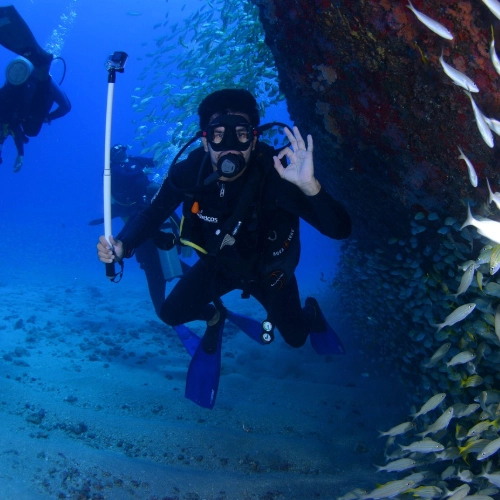
What Are Dive Tracking Devices?
Dive tracking devices use a combination of GPS, radio signals, sonar, and/or surface communication tools to:
- Monitor a diver’s location
- Track dive time, depth, and profile
- Enable surface teams to respond quickly in case of separation or emergency
Some advanced models also offer integration with dive computers and apps, allowing real-time data sharing and post-dive analysis.
Why Are Dive Tracking Devices So Important?
-
Preventing Lost Diver Incidents
Even in ideal conditions, divers can become separated from their group or surface support. Factors like current drift, low visibility, or rapid ascent can create panic and make location tracking difficult.
With tracking devices:
- Surface support can monitor diver locations in real time
- Divers who surface away from the boat can easily be located via GPS signals or alert systems
- Group separation can be detected early, improving diver retrieval and safety
-
Enhancing Emergency Response
In emergencies such as:
- Equipment malfunction
- Medical issues underwater
- Sudden weather changes
…time is everything. A dive tracker helps ensure fast and accurate location reporting, allowing emergency responders or support staff to act quickly.
Some devices even include an SOS function, sending distress signals directly to surface receivers or boats.
-
Improving Dive Logs and Dive Planning
Many tracking devices sync with dive logs to help divers analyze:
- Entry and exit points
- Dive times and bottom profiles
- Air usage patterns
This improves future dive planning and helps instructors and professionals better manage group safety. For new divers, this also reinforces learning and builds confidence.
-
Supporting Solo Divers and Professionals
While we strongly recommend diving with a buddy, many instructors and photographers occasionally dive solo for work purposes. Tracking devices:
- Offer an extra layer of protection when no buddy is present
- Allow shore-based teams or boats to track their movement and status
- Provide peace of mind during prolonged or complex dives
 How South Coast Diving Supports Dive Tech and Safety
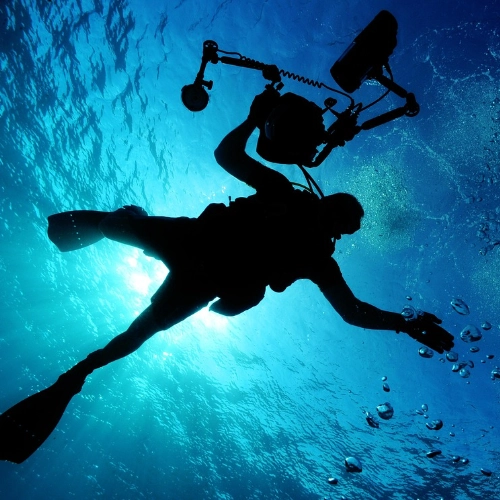
At South Coast Diving, we embrace innovation that enhances diver safety. Here’s how we support and promote the use of tracking devices:
- Pre-Dive Briefings Include Tracker Use: We train divers on how to use, monitor, and respond to signals from tracking devices.
- Integration in Professional Courses: Our Divemaster and Instructor Development Courses (IDC) now include dive tech safety modules, with hands-on experience using popular dive tracking systems.
- Rental and Demo Equipment: We provide access to rental tracking devices for students and divers who want to try before investing.
By educating divers on safe diving practices and emerging technologies, we empower them to dive smarter and safer.
Final Thoughts: Dive Safe, Dive Smart
Tracking devices are not a luxury — they’re quickly becoming a standard tool for responsible diving. Whether you’re exploring local reefs or leading a group on a drift dive, these devices provide an added layer of security and awareness.
At South Coast Diving, we encourage all divers — recreational and professional alike — to embrace tools that support safety, confidence, and community.